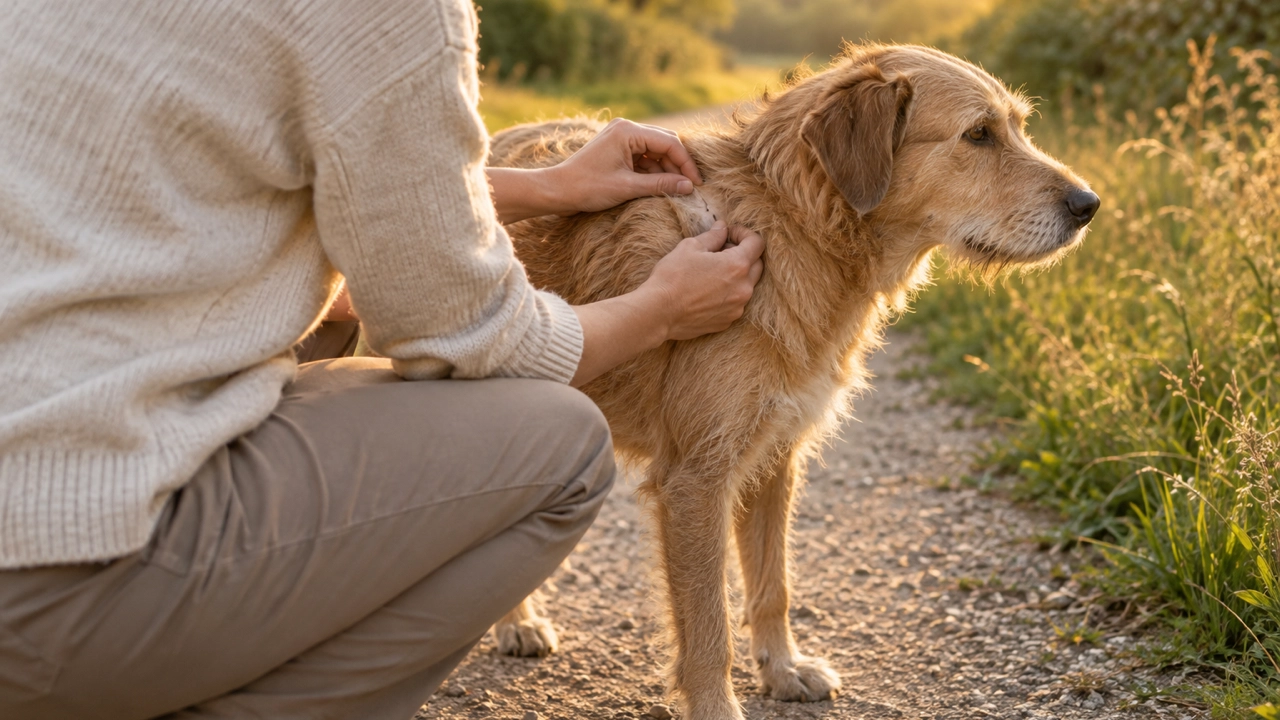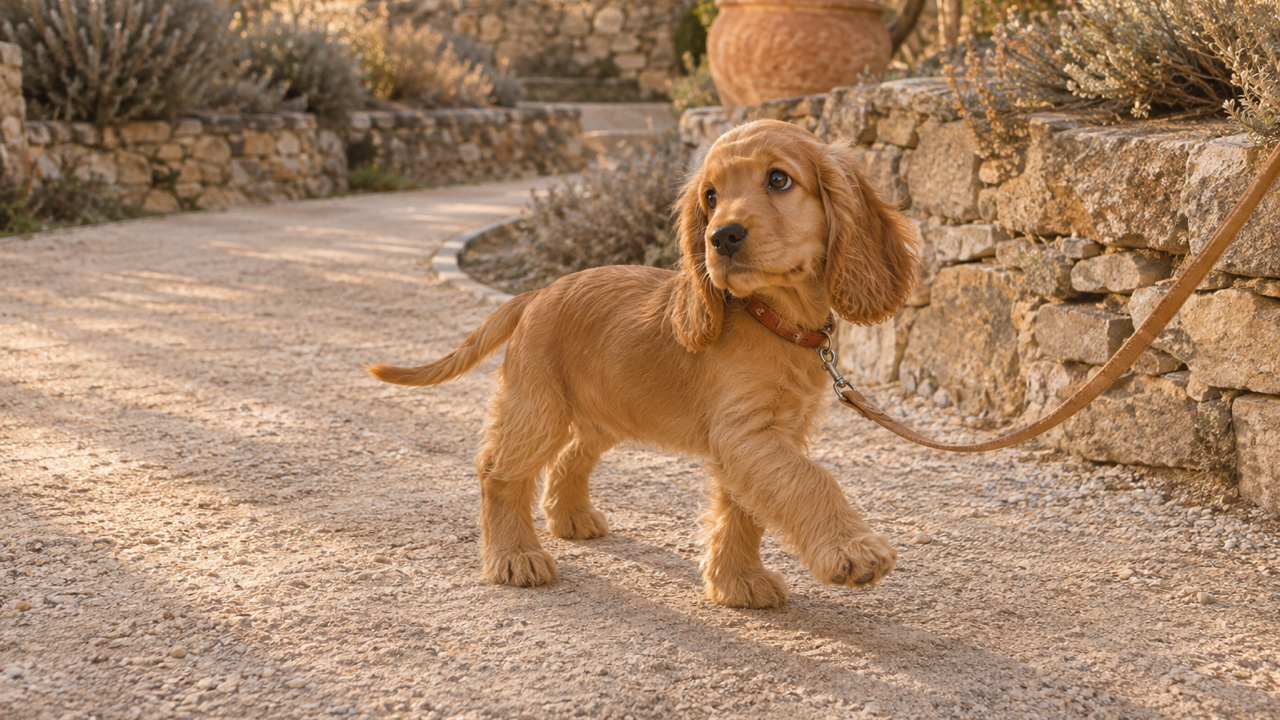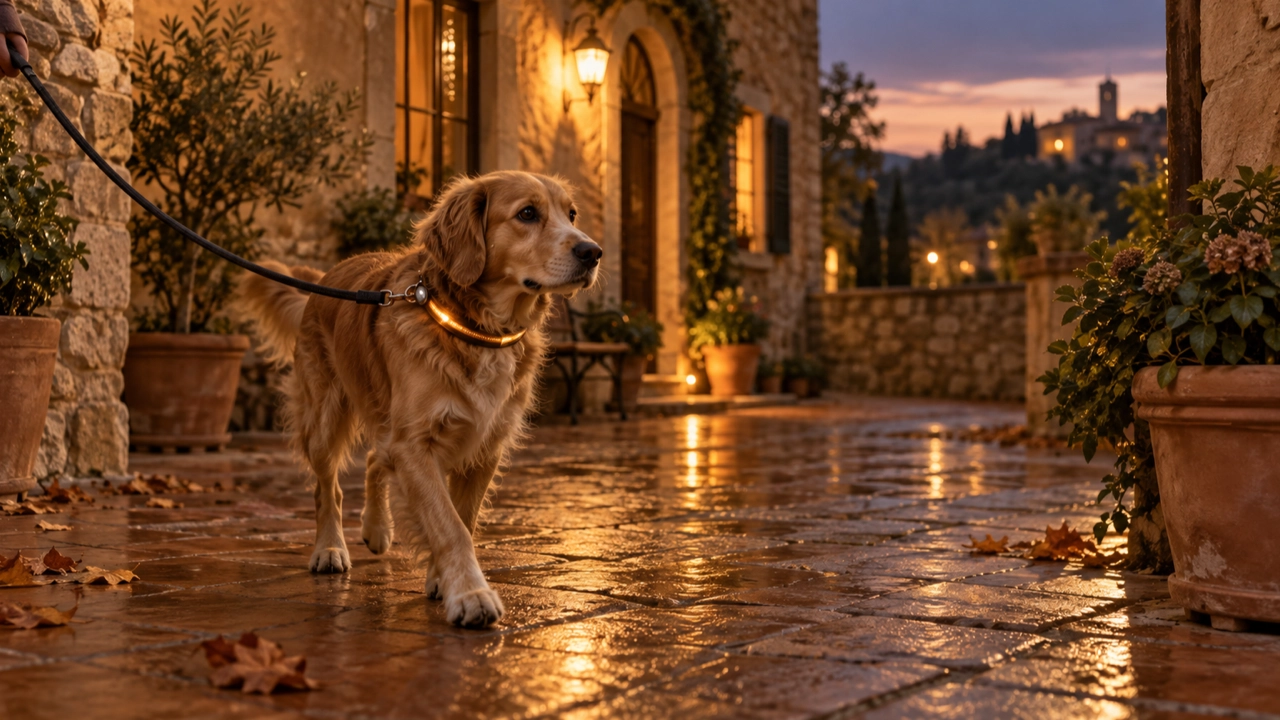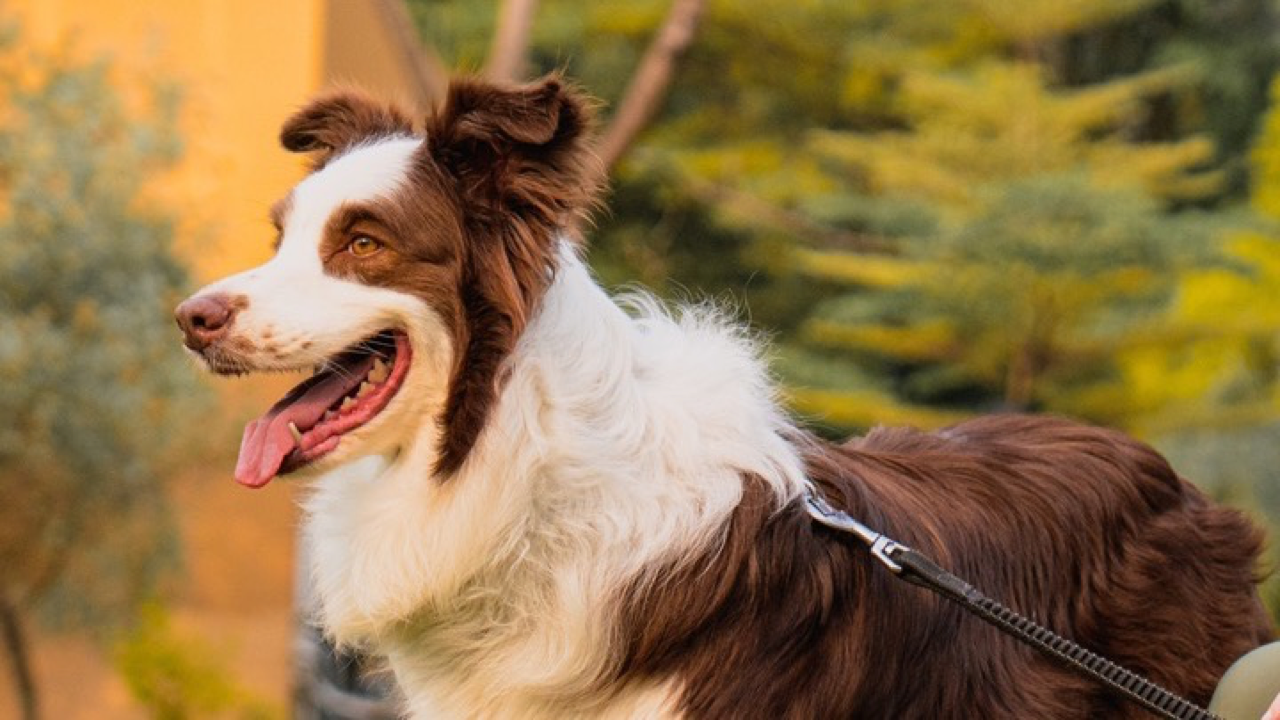
Two dogs on one walk look effortless from a distance. Up close, there are four paws, two leads and two sets of opinions about which way to go.
It can work beautifully. A shared walk saves time, and many dogs enjoy the company. But it is a skill built on top of single-dog walking, not a shortcut. Get the foundations right first and the rest is mostly management.
Check each dog on their own
Before you walk two dogs together, walk each one alone. Ask a few plain questions.
Does this dog walk on a loose lead most of the time? Do they come back to you when called? How do they react to other dogs, bikes and sudden noise? If one dog pulls hard, the second dog will not fix it. Two dogs pulling is not twice the problem. It is a different one, because the dogs can feed off each other’s excitement.
If pulling is the sticking point, start there. Our guide to why dogs pull on the lead covers the training that makes a loose lead the way forward. Practise with each dog separately until it holds up outside your own street.
Fitness matters too. A puppy, a senior dog and a young athlete rarely want the same walk.
One handler or two
If you can, start with two people, one dog each. It is the easiest way to introduce the routine. Each dog learns the walk without the added pressure of a second lead in your other hand.
One handler with two dogs is entirely possible, but it asks more of you. Your hands are full, your reaction time is shorter and a surprise, such as a loose dog approaching, is harder to manage. If you are the only handler, be realistic about your route. Choose quiet streets and open, predictable paths over narrow pavements and busy crossings.
Many people prefer one lead in each hand, with each dog on the side nearest that hand. That keeps the leads from crossing in front of you.
Leads and harnesses
The simplest setup is the best one: two separate leads, two well-fitted harnesses or collars. Each dog stays independent, and you can drop, shorten or release one lead without affecting the other.
A harness spreads pressure across the chest and keeps a pull away from the neck. Our guide to how a dog harness should fit walks through the checks. Make them for both dogs, because two dogs mean two different bodies.
Two leads. Plain, flexible and easy to manage. This is the right choice for most owners.
A double lead, or splitter. One handle connects to two short leads. It keeps your hands freer and the leads together. It suits two dogs of similar size and pace that already walk well. It is less forgiving if one dog needs more room than the other, because you cannot adjust one length without the other.
A hands-free belt. Some owners clip one or both leads to a waist belt. It can help with a calm, steady dog. It is a poor idea with a dog who lunges or bolts, because a sudden pull goes straight to your body with no chance to let go. Be honest about how your dogs behave before you choose it.
Whichever you pick, check the clips and stitching regularly, and never clip two dogs to the same collar.
Length and position
Lead length matters more with two dogs than with one. Too long and the leads cross and wrap. Too short and the dogs feel hemmed in. A medium length that keeps each dog close to their own side usually works. We cover the trade-offs in our guide to how long a dog lead should be.
Pick a side for each dog and keep it. A dog who always walks on your left learns where to be.
Managing tangles
Tangles happen. The goal is to make them rare and harmless.
Stop before they tighten. If the leads begin to cross, pause and calmly untangle rather than walking on and hoping. Step back to untwist, then say your cue and set off again.
Keep the dogs roughly level. When one is far ahead and the other lags, the leads cross behind you. Reward the position you want with treats and your voice.
Watch lamp posts and bins. Dogs often split around them. Move slightly wide of obstacles, or ask both dogs to pass on the same side.
If a tangle catches your legs, stop moving and keep your balance. Call the dogs back to you. Do not pull. Sort it out on the spot, then continue.
Dogs of different sizes
A large dog and a small one can walk together happily, but the small dog’s pace and safety need to shape the walk.
Match the speed to the slower dog. The bigger dog can add a short jog or a sniff stop later, once the smaller dog has had their turn. If a small dog trots hard to keep up, the walk is too fast.
Keep separate leads if the size gap is big, so you can manage each dog on their own. Choose routes with enough room that neither dog is squeezed. Narrow paths push dogs together, which can cause friction.
Triggers and surprises
Plan for the thing that sets one dog off. Another dog, a cat, a bike, a loud van. With two dogs, one reaction often wakes the other.
Create distance early. Cross the road, step into a driveway or turn around before the trigger gets close. Put the more reactive dog on the side away from the trigger, and reward calm behaviour with a treat as you pass.
If either dog reacts strongly, do not use the shared walk as a training session. Work on it with each dog alone. Ask a qualified reward-based trainer for help if a dog lunges, barks or seems frightened.
When to split the walk
Sometimes the best way to walk two dogs is to walk them one at a time.
Split the walk when one dog is recovering from illness or injury, when a puppy needs shorter outings, or when an older dog slows down. Split it when one dog needs a harder route and the other prefers a gentle one. Split it when either dog is anxious or reactive and needs your full attention.
A solo walk also gives each dog time with you, which is easy to lose in a pair. Many owners alternate: a shared walk most days, a solo walk now and then for the dog who needs it. No rule says every walk must include both.
When a coupler makes things worse
A coupler is a short lead or Y-shaped piece that joins two dogs together. It looks tidy. In practice, it can make walking harder.
Joined dogs cannot move independently. If one stops to sniff, the other is pulled. If one lunges or bolts, the second dog goes with them, with no way for you to stop it. A dog who is frightened or reactive cannot move away on their own. If the pair differ in size or strength, the stronger dog can drag the other off balance.
Avoid couplers with dogs of different sizes, dogs who pull or react, and any dog still learning to walk on a lead. A coupler may suit two calm, matched dogs on a quiet path. Even then, separate leads are the safer default.
Build it slowly
Start with short, quiet walks. Five or ten minutes in a calm place is enough. Practise stopping, turning and setting off together, and reward both dogs for staying relaxed.
Add distance, busier routes and distractions one at a time. If either dog struggles, step back to the last easy stage.
Walking two dogs is about clear habits: a loose lead for each, a plan for the route and an honest read on both dogs. Get those right and the walk becomes something you look forward to.