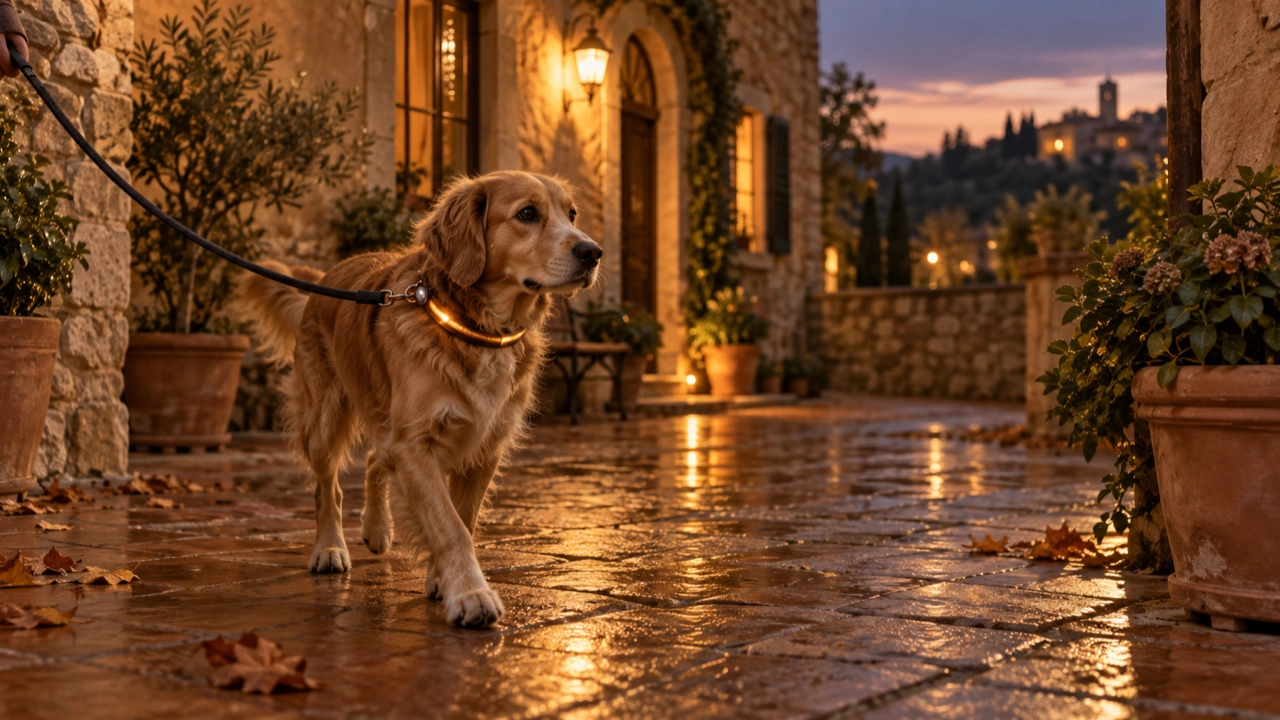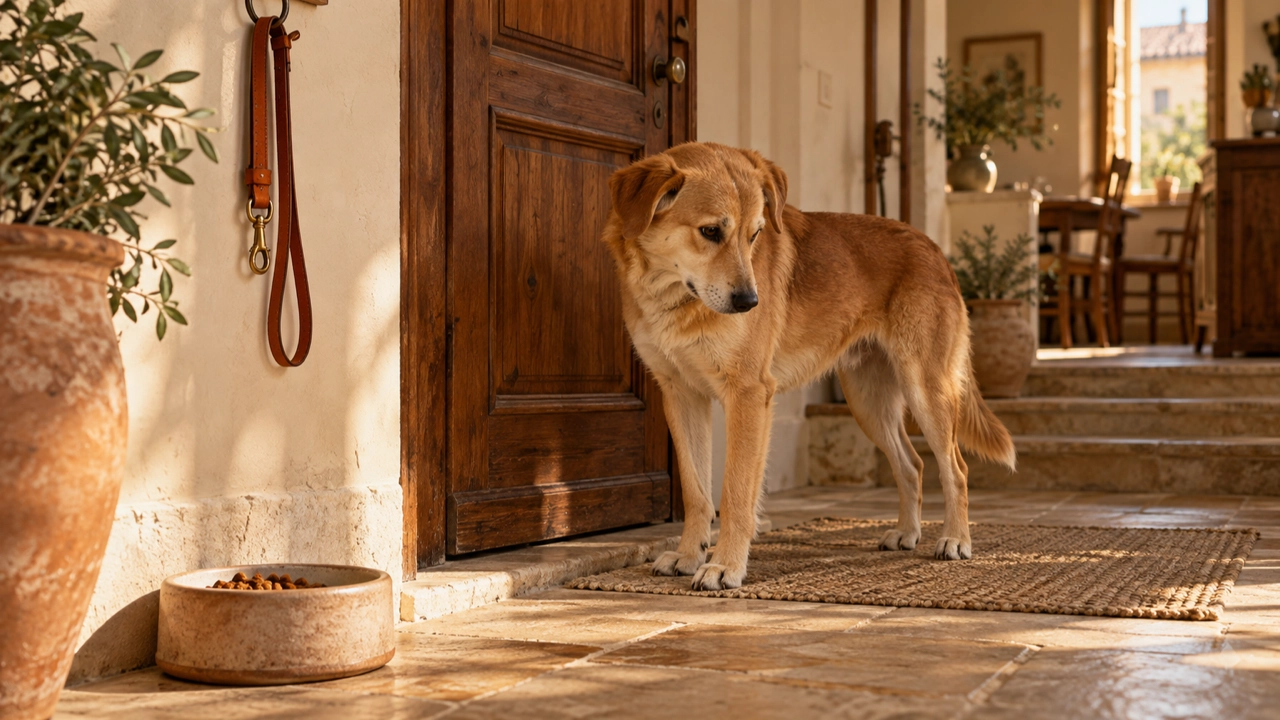
The lead is by the door. Your dog is beside it. Dinner is ready, too. Should you walk your dog before or after eating?
There is no single order that suits every dog. What matters is the size of the meal, the kind of walk you have planned and how your dog usually feels. For most healthy dogs, a calm, short outing after food is different from a run or an energetic game. It is vigorous exercise soon after a full meal that calls for more care, particularly with large, deep-chested dogs.
The aim is not to make every trip outside a scheduling problem. It is to find a rhythm that keeps meals comfortable and gives your dog the kind of movement they need.
The walk makes the difference
“Walking” can mean a quiet lap of the block or an hour of hills, chasing and pulling. Those are not the same activity after a meal.
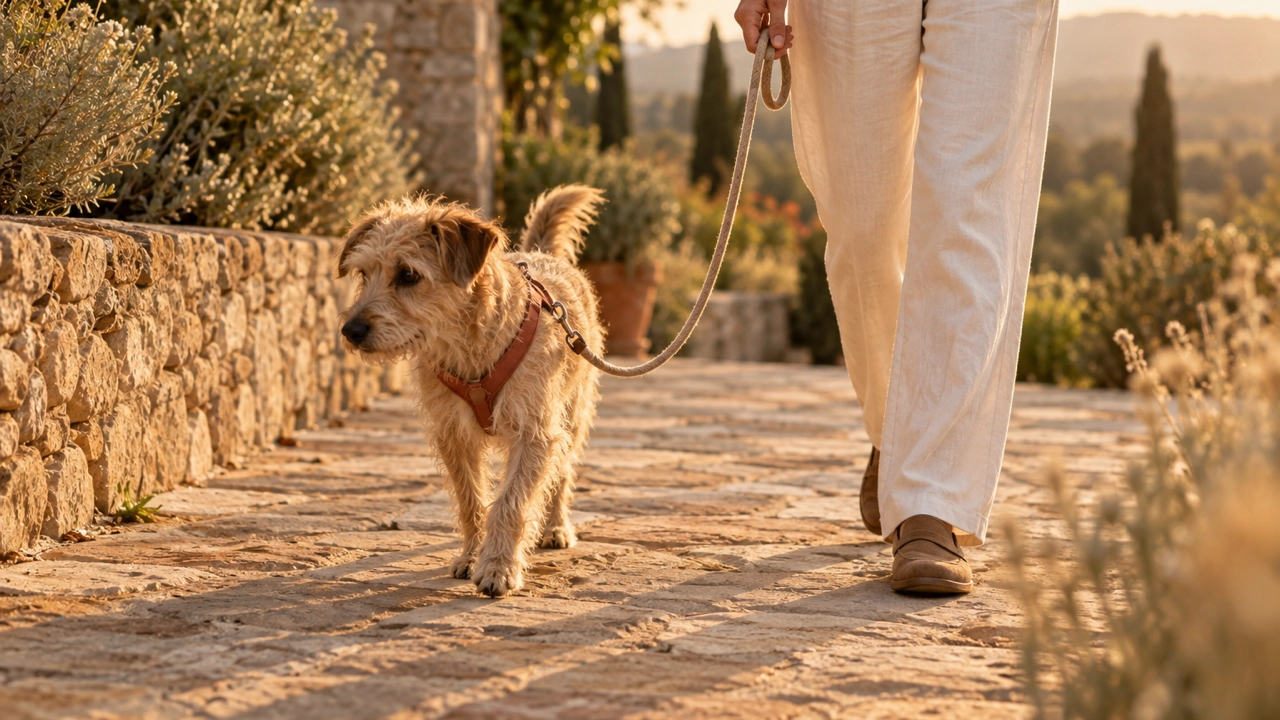
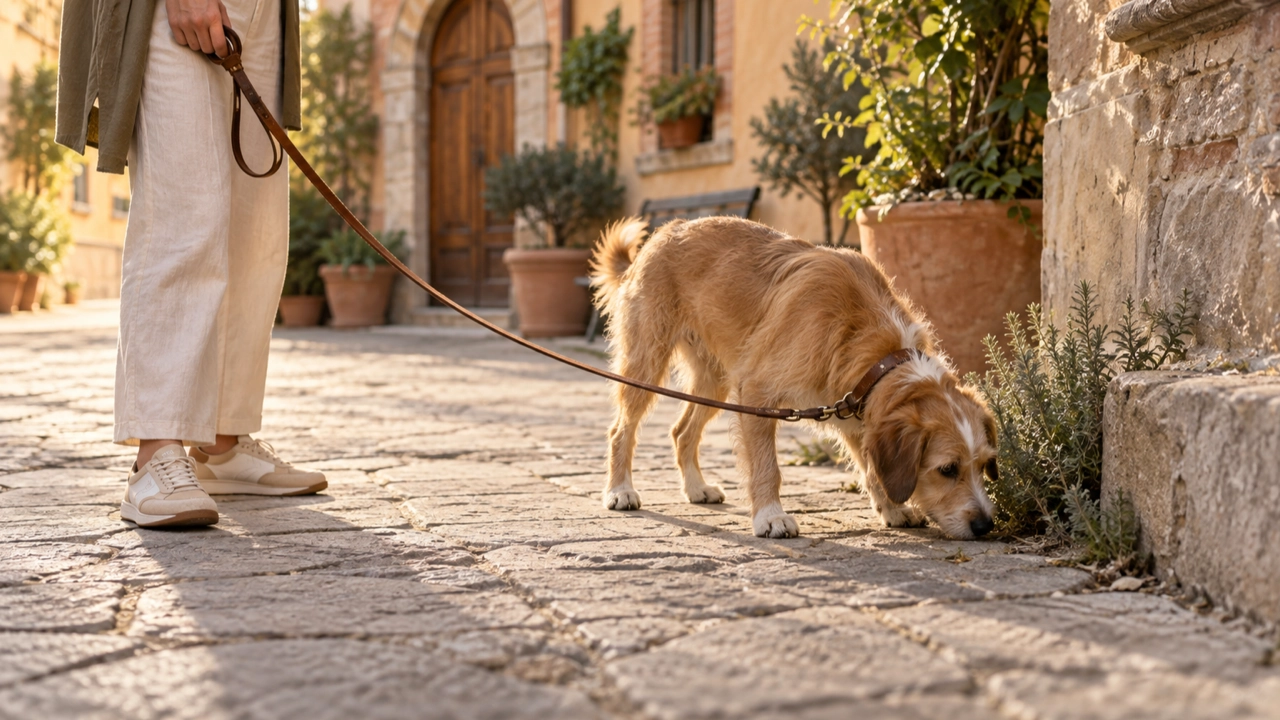
A gentle, unhurried walk to stretch the legs or relieve themselves is generally fine for many dogs after eating. Keep the pace easy and let your dog set a comfortable rhythm. A dog who has just eaten may prefer to potter and sniff rather than cover ground. That still counts as time outside.
Save demanding exercise for a different part of the day. Running, rough play, repeated fetch, steep climbs and other strenuous outings are better separated from a full meal. The same sensible distinction applies before feeding: give a dog who has just finished an intense session time to settle before offering dinner, rather than moving straight from excitement to a bowl.
You do not need to turn an ordinary walk into a workout. If you are planning a longer outing, decide what it actually involves. A slow route with plenty of pauses asks something different of the body than a fast route with sustained effort. Our piece on why dogs stop to sniff on walks offers another way to think about pace.
What about bloat?
Bloat is a common name for a serious condition in which the stomach fills with gas; it can also twist, a life-threatening emergency called gastric dilatation-volvulus, or GDV. Large, deep-chested breeds are at greater risk, though any dog can develop it.
The relationship between meals, exercise and GDV is not simple enough to promise that one precise waiting period will prevent it. Still, avoiding vigorous activity close to a large meal is a reasonable precaution, especially for dogs at higher risk. If your dog is large or deep-chested, or has a history that concerns you, ask your veterinarian for guidance on meal size, timing and exercise. Their advice matters more than a universal rule online.
Know the signs that need urgent attention. A swollen or tight abdomen, repeated attempts to vomit without bringing anything up, marked restlessness, drooling, weakness or collapse warrant an immediate call to an emergency veterinarian. Do not wait to see whether a walk helps.
This is not a reason to keep a dog indoors after every meal. It is a reason to distinguish a quiet toilet trip from hard exercise, and to take sudden distress seriously.
How long after eating can you walk a dog?
There is no dependable number that fits every dog and every kind of walk. A brief toilet walk may be needed soon after food. A demanding hike or game is a different decision. The fuller the meal and the more vigorous the activity, the more sensible it is to leave space between them.
If you want a specific interval for your dog, speak to your vet. Breed, age, health, past digestive problems and the shape of your daily routine all matter. Be particularly cautious if your dog has been advised to avoid strenuous exercise around meals. Follow that individual advice rather than a general timetable.
Watch your dog’s response as well. Some dogs are comfortable on a slow post-meal stroll. Others seem unsettled, reluctant or eager to lie down. Give them the quieter option. If discomfort happens repeatedly, or you notice vomiting or an unusual change in appetite, bring it up with your veterinarian.
The toilet-walk exception
Some dogs need to go out shortly after eating. Puppies may need frequent opportunities; an adult dog may simply have a familiar post-dinner pattern. There is no benefit in making a dog wait uncomfortably because you planned the main walk for later.
Take them out for the toilet. Keep it close to home, calm and brief. Let them relieve themselves, allow a little easy sniffing if they want it, then come back in. You can still plan the more active walk at another time.
This distinction also helps on days when plans change. A late dinner need not mean skipping the last trip outside. It may just mean that tonight’s outing is practical rather than ambitious.
Choose an order you can repeat
If your mornings are flexible, walk first, then feed once your dog has settled. This can suit dogs who enjoy a longer or more energetic outing. Give them a chance to cool down and relax before the meal, especially if they have been running or playing hard.
If feeding first works better for your household, that can work too. Make the immediate outing a quiet one, and place the more demanding exercise later. A dog who takes medication with food, an older dog with a preferred routine or a family with a fixed work schedule may need this order. The point is not to imitate someone else’s timetable. It is to match the activity to the moment.
Try a simple pattern for a while: meal, calm time, easy toilet walk, with active exercise elsewhere in the day. Or try active walk, time to settle, meal, then a short toilet trip if needed. Notice whether your dog seems comfortable, whether they can relieve themselves without rushing and whether the routine is realistic for you to keep.
Dogs change. A slower pace may suit an older dog or one recovering from illness. If you are adjusting activity for age, our guide to how much exercise a senior dog needs can help you think beyond distance alone. Ask your veterinarian before changing exercise after an illness, surgery or new diagnosis.
Keep the decision simple
Before you pick up the lead, ask two questions: has your dog just had a full meal, and how hard will this outing be? If the answer is “yes” and “hard,” change the plan. Make it a calm toilet walk or save the demanding activity for later. If the walk is easy and your dog is comfortable, a gentle outing is usually the more useful answer than an arbitrary rule.
Feed and walk in the order that suits your dog. Leave room to adjust when the meal, the weather or their energy changes. A routine should make the day easier, not make a dog wait when they need to go outside.
Join the Ottimo Plus waitlist for considered dog essentials designed around everyday life together.